Êşa Tom a diran heye. Diranê wî pir diêşe.
Tom has a toothache. His tooth hurts very much.
Tom a mal à la dent. Sa dent lui fait très mal.
Pêdivî ye ku ew doktore xwe yê diranan bibîne, lê pêşî jê re tiştek hewce dike ku êşê kêm bike.
He needs to see his dentist, but first he needs something for the pain.
Il a besoin de voir son dentiste, mais d’abord, il lui faut quelque chose pour la douleur.
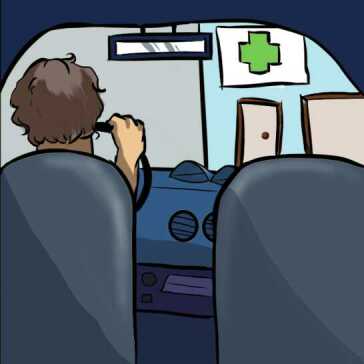
Bi erebeyê diçe dermanxaneya herî nêzîk.
He drives to the nearest pharmacy.
Il va à la pharmacie la plus proche.
“Êşa diranê min heye,” dibêje. “Tiştekî we ji bo wê heye?”
“I have a toothache,” he says. “Do you have anything for that?”
“J’ai mal à la dent,” dit-il. “Avez-vous quelque chose pour cela ?”
“Belê, li vir çend dermanên êşê hene. Ji bo van dermanan reçete hewce nake.”
“Yes, here are some painkillers. You don’t need a prescription for these.”
“Oui, voici des anti-douleurs. Vous n’avez pas besoin d’ordonnance pour ceux-ci.”
“Spas dikim. Mesrefa wan çiqas e?”
“Thank you. How much do they cost?”
“Merci. Combien coûtent-ils ?”
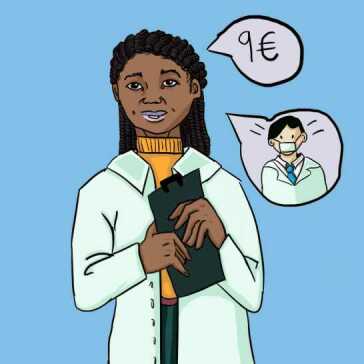
“Bihayê wan neh euro ye. Lê divê hûn biçin serdana doktorek diranan.”
“They cost nine euros. But you should see a dentist.”
“Ils coûtent neuf euros. Mais vous devriez voir un dentiste.”
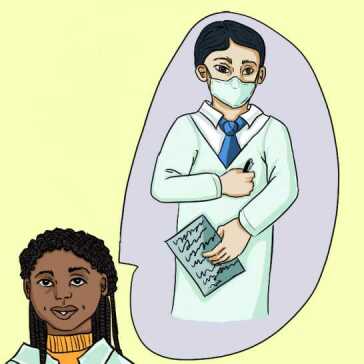
“Baş e, ez ê serê sibê telefonî doktore xwe yê diranan bikim.”
“Okay, I will call my dentist tomorrow morning.”
“D’accord, j’appellerai mon dentiste demain matin.”
“Heke hûn hewceyê dermanek bêtir qewî bin hûn ê ji diranan an doktorê xwe reçeteyek hewce bikin.”
“If you need stronger medicine, you will need to get a prescription from your dentist or doctor.”
“Si vous avez besoin d’un médicament plus fort, vous aurez besoin d’une ordonnance de votre dentiste ou médecin.”
“Spas dikim! Bi xatirê we.”
“Thank you! Goodbye.”
“Merci ! Au revoir.”