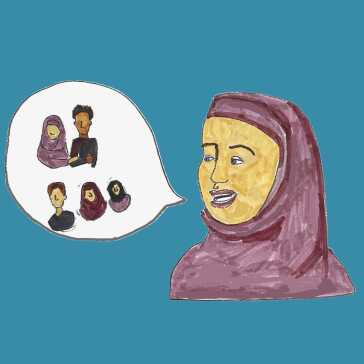
“هل لديك عائلة؟”
“Do you have any family?”
“As-tu de la famille ?”
“أجل، أنا وزوجي لدينا ابنتين وولد.”
“Yes, my husband and I have two daughters and a son.”
“Oui, mon mari et moi avons deux filles et un fils.”
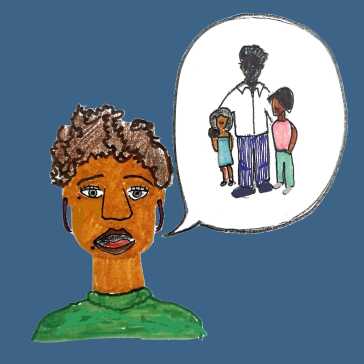
“أنا أيضاً لديَّ ابنتين، لكنني منفصل عن زوجتي.”
“I also have two daughters, but I’m divorced.”
“J’ai aussi deux filles, mais je suis divorcé.”
“كم عمر بناتك؟”
“How old are your daughters?”
“Quel âge ont tes filles ?”
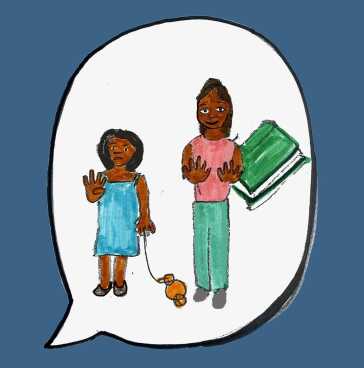
“مينا لديها اربعة اعوام. إنها تذهب إلى الروضة. ومريم عمرها عشر سنوات، وهي تذهب إلى المدرسة.”
“Mina is four years old. She goes to preschool. Miriam is ten, so she goes to school.”
“Mina a quatre ans. Elle est en maternelle. Miriam a dix ans, donc elle va à l’école primaire.”
“جميع أولادي في المدرسة. ابني سيتخرج العام القادم.”
“All of my children are in school. My son will graduate next year.”
“Tous mes enfants sont à l’école. Mon fils va avoir son diplôme l’année prochaine.”
“هذا رائع! انهم يكبرون بسرعة. ماذا يفكر أن يفعل بعد أن يتخرج؟”
“That is great! They grow up so fast. What does he want to do afterwards?”
“C’est super ! Ils grandissent si vite. Qu’est-ce qu’il veut faire après ?”
“إنه يرغب في الحصول على عمل، ولكنني اخبرته بأن يذهب للجامعة بدلاً من ذلك.”
“He wants to get a job, but I tell him he should go to university instead.”
“Il veut travailler, mais je lui dis qu’il devrait plutôt aller à l’université.”
“هذه فكرة عظيمة. أتمنى أن يذهب أولادي إلى الجامعة يوماً ما.”
“That’s a good idea. I also hope my children will go to university someday.”
“C’est une bonne idée. J’espère aussi que mes enfants iront à l’université un jour.”