“Malbata te heye?”
“Do you have any family?”
“As-tu de la famille ?”
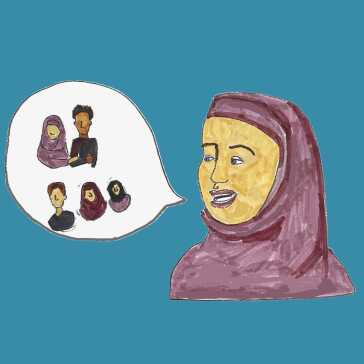
“Belê, mêrê min û du keç û kurekî min hene.”
“Yes, my husband and I have two daughters and a son.”
“Oui, mon mari et moi avons deux filles et un fils.”
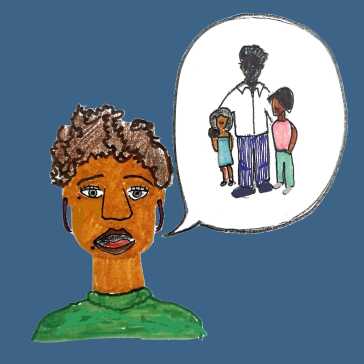
“Du keçên min jî hene, lê min dev ji hevserê xwe berdaye.”
“I also have two daughters, but I’m divorced.”
“J’ai aussi deux filles, mais je suis divorcé.”
“Keçên te çend salî ne?”
“How old are your daughters?”
“Quel âge ont tes filles ?”
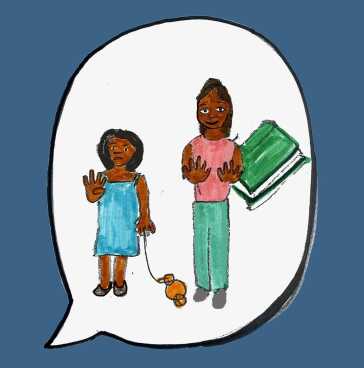
“Mina çar salî ye. Ew diçe pêşdibistanê. Miriam deh salî ye, ji ber vê yekê ew diçe dibistanê.”
“Mina is four years old. She goes to preschool. Miriam is ten, so she goes to school.”
“Mina a quatre ans. Elle est en maternelle. Miriam a dix ans, donc elle va à l’école primaire.”
“Zarokên min hemû diçin dibistanê. Kurê min dê sala bê mezûn bibe.”
“All of my children are in school. My son will graduate next year.”
“Tous mes enfants sont à l’école. Mon fils va avoir son diplôme l’année prochaine.”
“Ew pırxweş e! Ew qas zû mezin dibin. Ew dixwaze paşê çi bike?”
“That is great! They grow up so fast. What does he want to do afterwards?”
“C’est super ! Ils grandissent si vite. Qu’est-ce qu’il veut faire après ?”
“Ew dixwaze karekî peyda bike, lê ez jê re dibêjim divê li şûna wî biçe zanîngehê.”
“He wants to get a job, but I tell him he should go to university instead.”
“Il veut travailler, mais je lui dis qu’il devrait plutôt aller à l’université.”
“Ev fikreke baş e. Ez jî hêvî dikim ku zarokên min rojekê biçin zanîngehê.”
“That’s a good idea. I also hope my children will go to university someday.”
“C’est une bonne idée. J’espère aussi que mes enfants iront à l’université un jour.”