Tom’un diş ağrısı var. Dişi çok ağrıyor.
Tom has a toothache. His tooth hurts very much.
Tom a mal à la dent. Sa dent lui fait très mal.
Dişçiye gitmesi gerekiyor ama önce acıyı dindirmek için bir şeye ihtiyacı var.
He needs to see his dentist, but first he needs something for the pain.
Il a besoin de voir son dentiste, mais d’abord, il lui faut quelque chose pour la douleur.
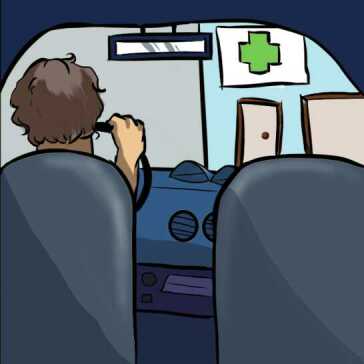
Arabayla en yakın eczaneye gidiyor.
He drives to the nearest pharmacy.
Il va à la pharmacie la plus proche.
“Dişim ağrıyor. Bunun için bir şeyiniz var mı?” diyor.
“I have a toothache,” he says. “Do you have anything for that?”
“J’ai mal à la dent,” dit-il. “Avez-vous quelque chose pour cela ?”
“Evet, bu ağrı kesicileri alabilirsiniz. Bu ilaçlar için bir reçeteye ihtiyacınız yok.”
“Yes, here are some painkillers. You don’t need a prescription for these.”
“Oui, voici des anti-douleurs. Vous n’avez pas besoin d’ordonnance pour ceux-ci.”
“Teşekkür ederim. Ne kadar tutuyor?”
“Thank you. How much do they cost?”
“Merci. Combien coûtent-ils ?”
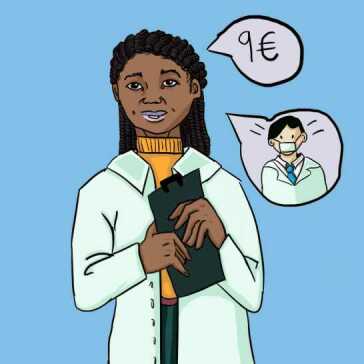
“9 avro tutuyor. Ama bir dişçiye görünmelisiniz.”
“They cost nine euros. But you should see a dentist.”
“Ils coûtent neuf euros. Mais vous devriez voir un dentiste.”
“Tamam, diş doktorumu yarın sabah arayacağım.”
“Okay, I will call my dentist tomorrow morning.”
“D’accord, j’appellerai mon dentiste demain matin.”
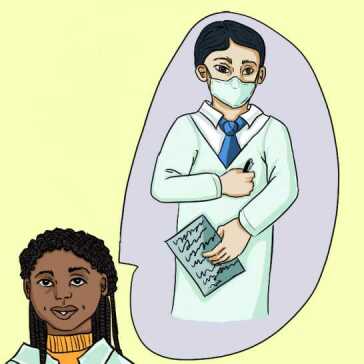
“Eğer daha güçlü bir ilaca ihtiyacınız olursa diş doktorunuzdan veya başka bir doktordan reçeteye ihtiyacınız olacak.”
“If you need stronger medicine, you will need to get a prescription from your dentist or doctor.”
“Si vous avez besoin d’un médicament plus fort, vous aurez besoin d’une ordonnance de votre dentiste ou médecin.”
“Teşekkür ederim! Hoşça kalın.”
“Thank you! Goodbye.”
“Merci ! Au revoir.”