Toma bardzo boli ząb.
Tom has a toothache. His tooth hurts very much.
Tom a mal à la dent. Sa dent lui fait très mal.
Musi udać się do dentysty, ale najpierw potrzebuje czegoś przeciwbólowego.
He needs to see his dentist, but first he needs something for the pain.
Il a besoin de voir son dentiste, mais d’abord, il lui faut quelque chose pour la douleur.
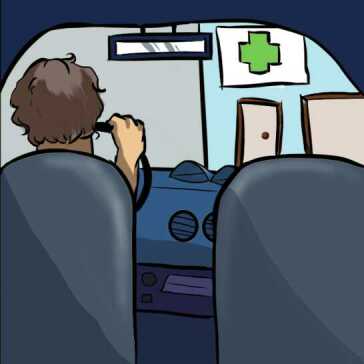
Jedzie do najbliższej apteki.
He drives to the nearest pharmacy.
Il va à la pharmacie la plus proche.
“Boli mnie ząb.” - mówi. “Czy ma pani coś na to?”
“I have a toothache,” he says. “Do you have anything for that?”
“J’ai mal à la dent,” dit-il. “Avez-vous quelque chose pour cela ?”
“Tak, środki przeciwbólowe. Nie potrzebuje pan na nie recepty.”
“Yes, here are some painkillers. You don’t need a prescription for these.”
“Oui, voici des anti-douleurs. Vous n’avez pas besoin d’ordonnance pour ceux-ci.”
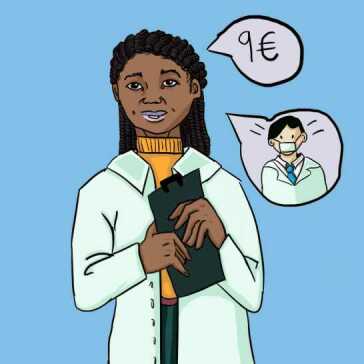
“Dziękuję. Ile kosztują?”
“Thank you. How much do they cost?”
“Merci. Combien coûtent-ils ?”
“Dziewięć euro, ale powinien pan umówić się na wizytę do dentysty.”
“They cost nine euros. But you should see a dentist.”
“Ils coûtent neuf euros. Mais vous devriez voir un dentiste.”
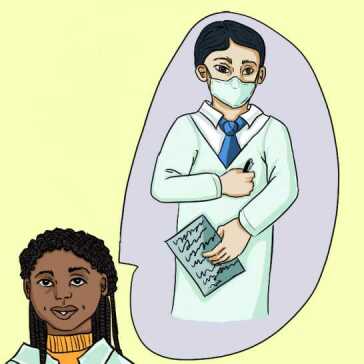
“Dobrze, zadzwonię do mojego dentysty jutro rano.”
“Okay, I will call my dentist tomorrow morning.”
“D’accord, j’appellerai mon dentiste demain matin.”
“Jeśli potrzebuje pan silniejszego leku, musi pan otrzymać receptę od dentysty lub lekarza.”
“If you need stronger medicine, you will need to get a prescription from your dentist or doctor.”
“Si vous avez besoin d’un médicament plus fort, vous aurez besoin d’une ordonnance de votre dentiste ou médecin.”