Tom ima zubobolju. Zub ga baš jako boli.
Tom has a toothache. His tooth hurts very much.
Tom a mal à la dent. Sa dent lui fait très mal.
Mora da ode kod svog zubara, ali prvo mu treba nešto protiv bolova.
He needs to see his dentist, but first he needs something for the pain.
Il a besoin de voir son dentiste, mais d’abord, il lui faut quelque chose pour la douleur.
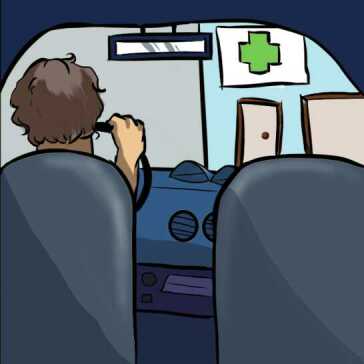
Vozi se do najbliže apoteke.
He drives to the nearest pharmacy.
Il va à la pharmacie la plus proche.
“Imam zubobolju”, on kaže. “Imate li šta za to?”
“I have a toothache,” he says. “Do you have anything for that?”
“J’ai mal à la dent,” dit-il. “Avez-vous quelque chose pour cela ?”
“Da, evo nekoliko lekova protiv bolova. Za ove vam ne treba recept.”
“Yes, here are some painkillers. You don’t need a prescription for these.”
“Oui, voici des anti-douleurs. Vous n’avez pas besoin d’ordonnance pour ceux-ci.”
“Hvala. Koliko koštaju?”
“Thank you. How much do they cost?”
“Merci. Combien coûtent-ils ?”
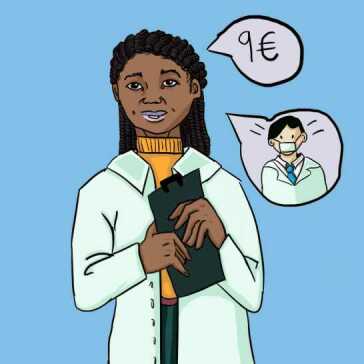
“Koštaju devet evra. Ali trebalo bi da odete kod zubara.”
“They cost nine euros. But you should see a dentist.”
“Ils coûtent neuf euros. Mais vous devriez voir un dentiste.”
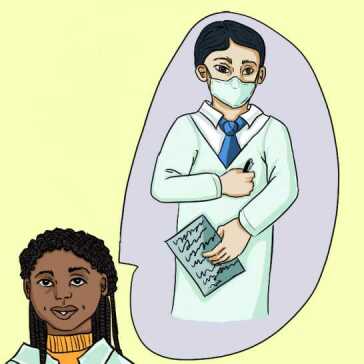
“U redu, pozvaću svog zubara sutra ujutro.”
“Okay, I will call my dentist tomorrow morning.”
“D’accord, j’appellerai mon dentiste demain matin.”
“Ako vam treba jači lek, moraćete da dobijete recept od vašeg stomatologa ili lekara.”
“If you need stronger medicine, you will need to get a prescription from your dentist or doctor.”
“Si vous avez besoin d’un médicament plus fort, vous aurez besoin d’une ordonnance de votre dentiste ou médecin.”