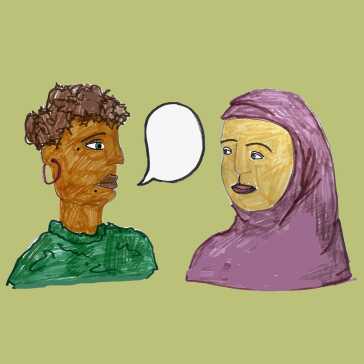
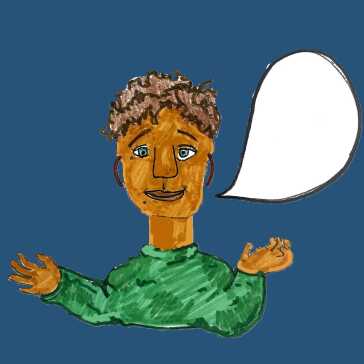
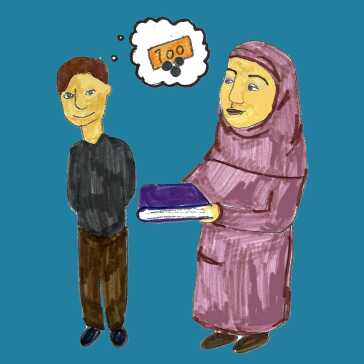
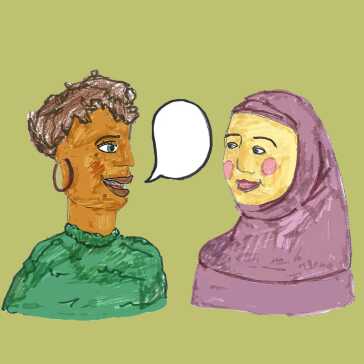
“تۆ خێزانت ههیه؟”
“Do you have any family?”
“As-tu de la famille ?”
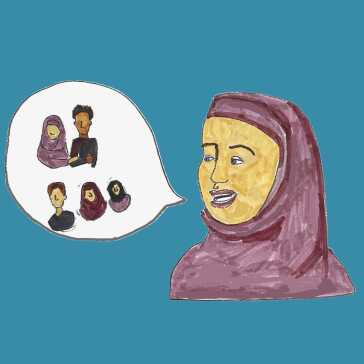
“بهڵێ، من و مێردهکهم دوو کچ و کوڕێکمان ههیه.”
“Yes, my husband and I have two daughters and a son.”
“Oui, mon mari et moi avons deux filles et un fils.”
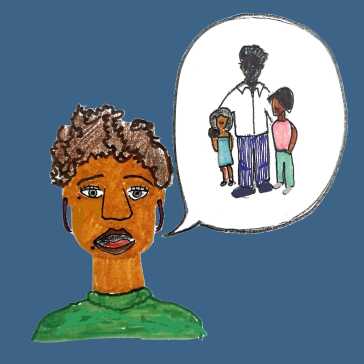
“منیش دوو کچم ههیه، بهڵام لە هاوسەرەکەم جیابوومەتەوە.”
“I also have two daughters, but I’m divorced.”
“J’ai aussi deux filles, mais je suis divorcé.”
“کچهکانت تهمهنیان چهنده؟”
“How old are your daughters?”
“Quel âge ont tes filles ?”
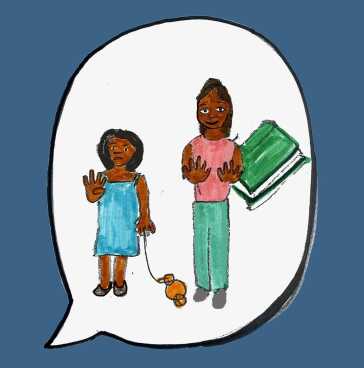
“مینا تهمهنی چوار ساڵه. ئهو دهچێته باخچهی ساوایان. میریهم ده ساڵه، بۆیه ئهو دهچێته قوتابخانه.”
“Mina is four years old. She goes to preschool. Miriam is ten, so she goes to school.”
“Mina a quatre ans. Elle est en maternelle. Miriam a dix ans, donc elle va à l’école primaire.”
“ههموو منداڵهکانی من له قوتابخانهن. کوڕهکهم ساڵی داهاتوو دهردهچێت.”
“All of my children are in school. My son will graduate next year.”
“Tous mes enfants sont à l’école. Mon fils va avoir son diplôme l’année prochaine.”
“ئهوه نایابه! ئهوان زۆر خێرا گهشه دهکهن. ئهو دهیهوێ دواتر چی بکات؟”
“That is great! They grow up so fast. What does he want to do afterwards?”
“C’est super ! Ils grandissent si vite. Qu’est-ce qu’il veut faire après ?”
“دهیهوێت کارێک بدۆزێتەوە، بهڵام من پێی دهڵێم لهجیاتی ئهوه دهبێ بچێته زانکۆ.”
“He wants to get a job, but I tell him he should go to university instead.”
“Il veut travailler, mais je lui dis qu’il devrait plutôt aller à l’université.”
“ئهوه بیرۆکهیهکی باشه. منیش هیوام وایه منداڵهکانم ڕۆژێک بچنه زانکۆ.”
“That’s a good idea. I also hope my children will go to university someday.”
“C’est une bonne idée. J’espère aussi que mes enfants iront à l’université un jour.”