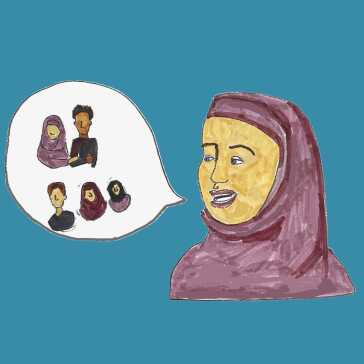
“ቤተሰብ አለሽ?”
“Do you have any family?”
“As-tu de la famille ?”
“አዎ እኔና ባለቤቴ ሁለት ሴት ልጆች እና አንድ ወንድ ልጅ አሉን።”
“Yes, my husband and I have two daughters and a son.”
“Oui, mon mari et moi avons deux filles et un fils.”
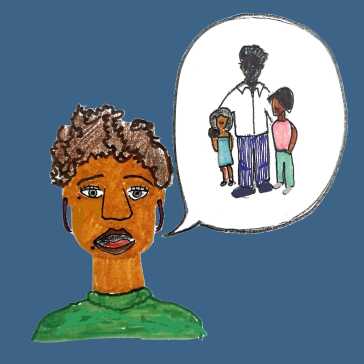
“እኔም ሁለት ሴት ልጆች አሉኝ፣ ግን ተፋትቻለሁ።”
“I also have two daughters, but I’m divorced.”
“J’ai aussi deux filles, mais je suis divorcé.”
“ሴት ልጆችሽ እድሜያቸው ስንት ነው?”
“How old are your daughters?”
“Quel âge ont tes filles ?”
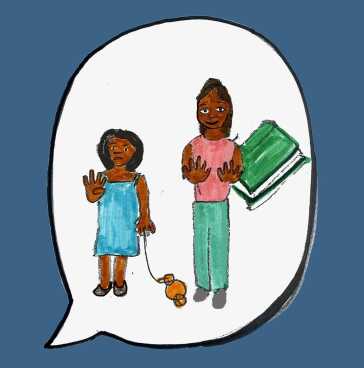
“ሚና የአራት አመት ልጅ ነች ወደ ቅድመ ትምህርት ቤት ትሄዳለች። ሚርያም አስር ነች። ስለዚህ ወደ መደበኛ ት/ቤት ትሄዳለች።”
“Mina is four years old. She goes to preschool. Miriam is ten, so she goes to school.”
“Mina a quatre ans. Elle est en maternelle. Miriam a dix ans, donc elle va à l’école primaire.”
“ሁሉም ልጆቼ ትምህርት ቤት ናቸው። ልጄ በሚቀጥለው ዓመት ይመረቃል።”
“All of my children are in school. My son will graduate next year.”
“Tous mes enfants sont à l’école. Mon fils va avoir son diplôme l’année prochaine.”
“በጣም ጥሩ ነው! እነሱ በፍጥነት አደጉ። ከዚያ በኋላ ምን ማድረግ ይፈልጋል?”
“That is great! They grow up so fast. What does he want to do afterwards?”
“C’est super ! Ils grandissent si vite. Qu’est-ce qu’il veut faire après ?”
“ስራ ማግኘት ይፈልጋል። ነገር ግን በምትኩ ዩኒቨርሲቲ መግባት እንዳለበት ነግሬዋለሁ።”
“He wants to get a job, but I tell him he should go to university instead.”
“Il veut travailler, mais je lui dis qu’il devrait plutôt aller à l’université.”
“ይህ ጥሩ ሀሳብ ነው። እኔም ልጆቼ አንድ ቀን ዩኒቨርሲቲ እንደሚገቡ ተስፋ አደርጋለሁ።”
“That’s a good idea. I also hope my children will go to university someday.”
“C’est une bonne idée. J’espère aussi que mes enfants iront à l’université un jour.”